
The Essence of Qoghundos: What Are They?
Qoghundos are a unique type of ingredient that holds considerable significance in various culinary traditions, particularly in Middle Eastern and Central Asian cuisines. These small, often colorful seeds are traditionally used for their distinct flavor and texture, enhancing a variety of dishes. Their historical roots can be traced back to ancient civilizations, where they were prized not just for their culinary applications but also for their medicinal properties.
The origins of qoghundos are deeply intertwined with regional agricultural practices. Farmers in specific regions cultivated these seeds, often finding that their hardy nature allowed them to thrive in diverse environments. As a result, qoghundos have become emblematic of the cultural identity of the communities that grow and use them.
Culturally, qoghundos have been integrated into numerous traditional recipes, often playing a significant role in celebrations and festivals. Their usage varies widely depending on local customs, with each region offering its own twist on how these ingredients are incorporated into daily diets. From being a key component in savory dishes to serving as a garnish in desserts, their versatility makes them a valuable addition to many culinary creations.
The significance of qoghundos extends beyond mere sustenance; they also symbolize the connection between people and their cultural heritage. As consumers and chefs alike become more aware of the ingredients in their food, the question of whether the ingredients in qoghundos are good becomes increasingly relevant. Their popularity and historical importance prompt a closer examination of their nutritional benefits and potential roles in modern diets, further establishing their place in contemporary culinary practices.
Analyzing the Ingredients: A Breakdown of Qoghundos
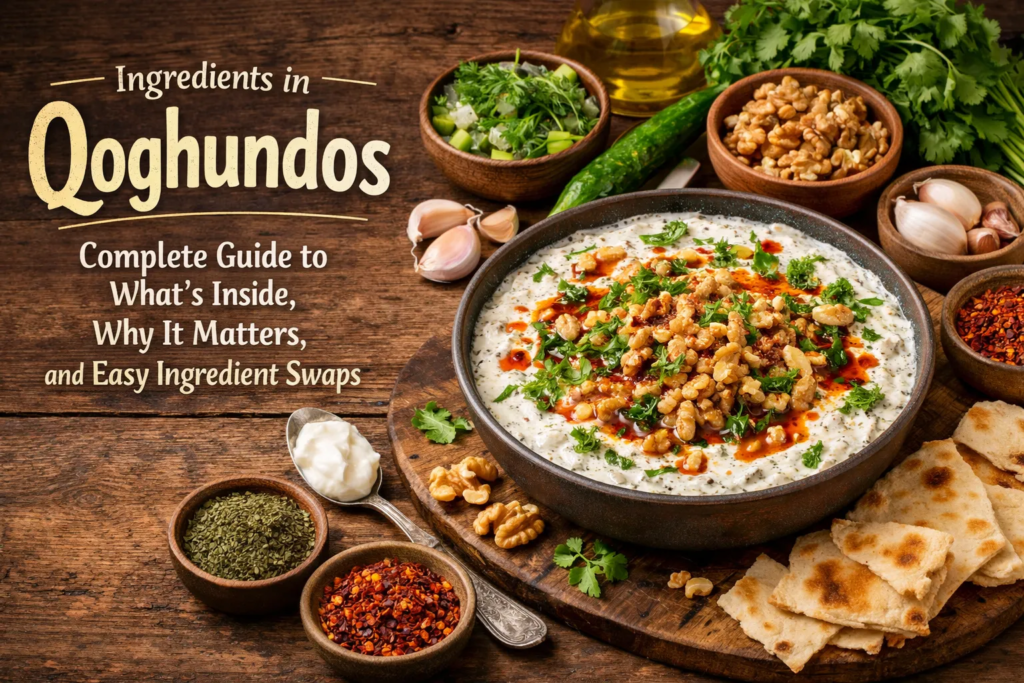
To determine whether the ingredients in qoghundos are beneficial, it is essential to examine each component. Qoghundos typically includes a variety of ingredients that can provide different nutritional benefits. Commonly found ingredients include grains, nuts, seeds, and sweeteners, each contributing unique properties to the overall profile.
For instance, whole grains serve as a primary ingredient and are well-regarded for their rich fiber content, which can enhance digestive health and promote prolonged satiety. The inclusion of nuts and seeds adds a wealth of healthy fats, protein, and essential nutrients such as omega-3 fatty acids and Vitamin E. These healthful fats are known for their role in heart health and may also contribute to better brain function.
Furthermore, many recipes of qoghundos feature natural sweeteners like honey or maple syrup. While they provide sweetness, these alternatives can retain some nutrients absent in refined sugar, though they should still be consumed in moderation. The key question arises: do these components make the ingredients in qoghundos good overall?
The potential health implications depend on the balance and quality of each ingredient. For example, while a large quantity of nuts may improve the nutritional value significantly, excessive portions could lead to high caloric intake. Similarly, the presence of added sugar—albeit natural—should be minimized to maintain overall health benefits.
In summary, the ingredients in qoghundos possess a range of nutritional benefits that can enhance their healthfulness, provided they are well balanced and consumed moderately. Therefore, discerning the specific components enables a better understanding of whether these ingredients truly contribute positively to one’s diet.
Health Benefits vs. Concerns: What Studies Reveal
The ingredients in qoghundos, a traditional dish, have sparked interest in terms of their potential health benefits and concerns. Ingredients typically include various meats, vegetables, and spices, each of which has unique nutritional properties. Numerous studies have examined the health implications of these components, providing insights into their benefits and drawbacks.
Research indicates that some ingredients in qoghundos are rich in essential nutrients, advocating for their inclusion in a balanced diet. For instance, lean meats provide adequate protein and essential vitamins, while vegetables contribute dietary fiber and antioxidants, which are known for their role in reducing inflammation and promoting overall wellness. Furthermore, the spices used in qoghundos, such as turmeric and cumin, have been recognized for their anti-inflammatory and antioxidant properties.
However, potential health risks associated with the consumption of qoghundos cannot be overlooked. Particularly concerning is the high sodium content found in some recipes, which can lead to increased blood pressure if consumed excessively. Additionally, if prepared with fatty cuts of meat or processed ingredients, qoghundos may contain unhealthy levels of saturated fats that could potentially contribute to heart-related issues. Experts argue for a balanced approach, emphasizing moderation and the quality of ingredients as key factors that determine the overall health impact.
There is ongoing debate over the authenticity and performance of specific ingredients, with some advocating for traditional methods while others promote modifications for health improvement. Overall, while the ingredients in qoghundos may offer various health benefits, awareness of potential health risks is crucial. Evaluating both sides through research and expert opinions will enable consumers to make informed choices about incorporating this dish into their lifestyle.
Culinary Uses and Recipes: Harnessing the Goodness of Qoghundos
Qoghundos, a lesser-known ingredient in many culinary traditions, can offer exciting possibilities for enhancing flavors and nutritional values in dishes. To truly appreciate whether the ingredients in qoghundos are good, it is essential to explore practical applications in cooking. One effective way to incorporate qoghundos is by using them in traditional stews and soups. Their unique flavor can provide depth to these comforting dishes, making them not only tasty but also enriching in nutrients.
For those interested in innovative recipes, consider creating a qoghundos salad that combines mixed greens, colorful vegetables, and a light vinaigrette. Tossing in lightly roasted qoghundos can add a delightful crunch and a distinct flavor that complements the freshness of the salad. Furthermore, these ingredients are versatile and can be incorporated into á la carte options, such as stir-fries or grain bowls, where their health benefits contribute to the overall well-being of the meal.
When aiming to maximize the goodness of ingredients in qoghundos, it is advisable to experiment with different cooking methods. Lightly steaming or roasting them can help retain vital nutrients while enhancing their natural flavors. Pairing qoghundos with spices such as garlic, cumin, or coriander can not only highlight their uniqueness but also leverage their health benefits, which may include improved digestion and enhanced immunity.
In conclusion, integrating qoghundos into everyday cooking can transform meals significantly. By embracing their versatility and health advantages, cooks of all skill levels can unlock the true potential of qoghundos, ultimately answering the query regarding the goodness of these intriguing ingredients.